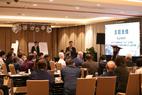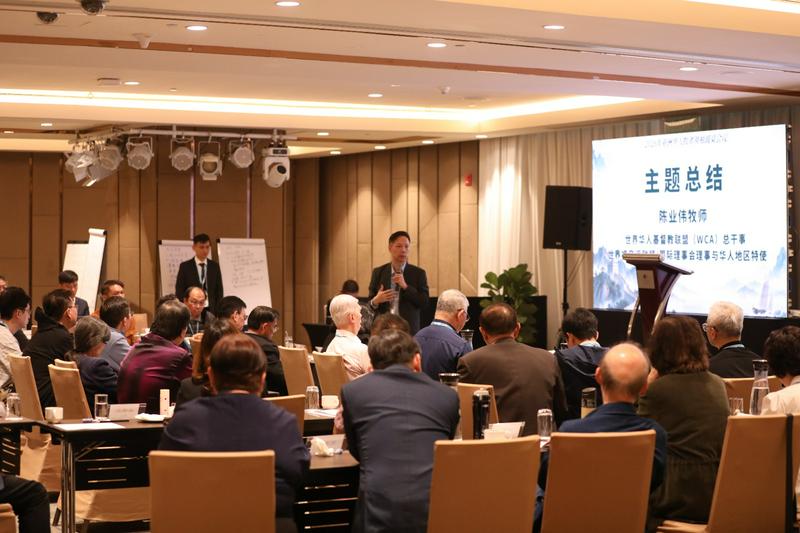
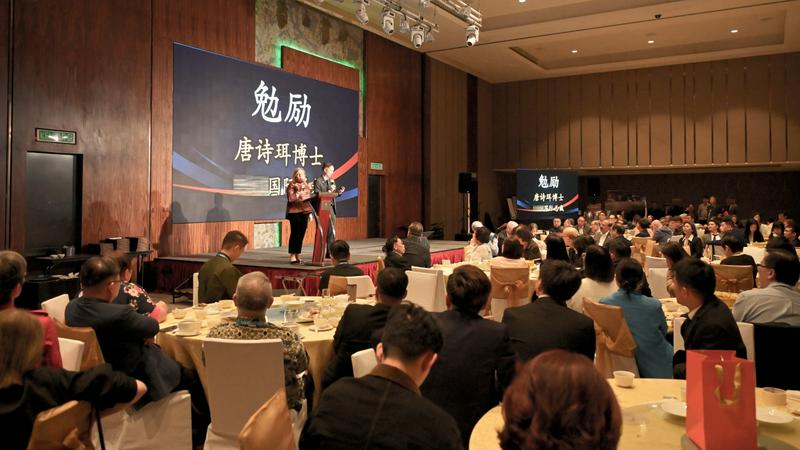
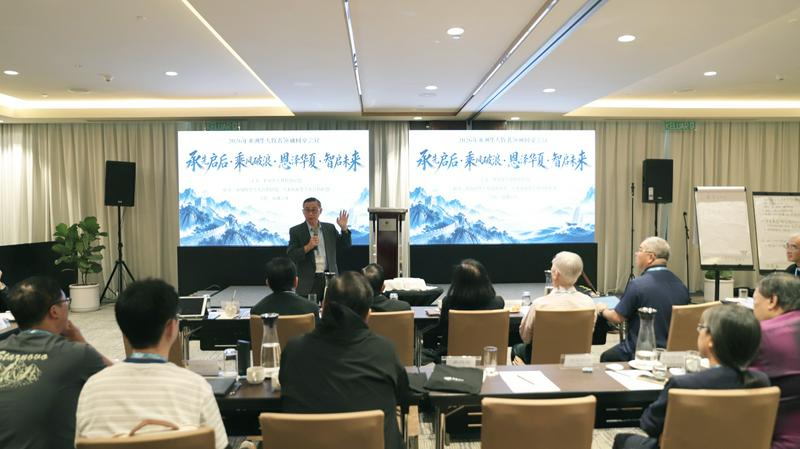
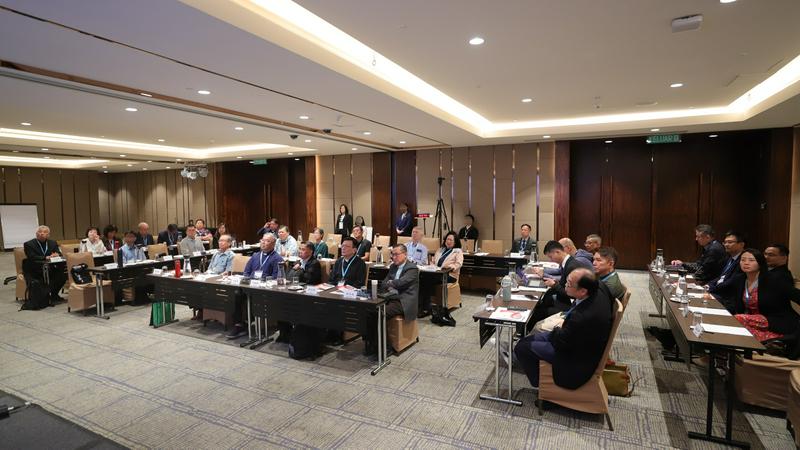

Nearly 150 church and ministry representatives from 18 countries gathered in Malaysia to discuss cooperation in global mission and prepare the next generation of leaders.
The 2026 Asian Chinese Pastors and Leaders Roundtable, held October 4–6 in Johor Bahru, was jointly organized by the World Chinese Christianity Alliance (WCA), the Singapore Chinese Christianity Alliance, the Malaysia Chinese Christianity Alliance, and EnArche Institute.
According to the WCA, one question ran through the three-day gathering: What kind of church will this generation of Chinese church leaders pass on to the next? Through presentations, roundtable discussions, and exchanges among leaders from different regions, participants considered how churches could carry forward their spiritual heritage, respond to technological and social change, and strengthen mission partnerships.
The gathering took place during the World Evangelical Alliance's (WEA) 180th anniversary year and ahead of the 220th anniversary of Protestant missionary Robert Morrison's arrival in China in 2027.
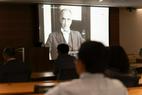
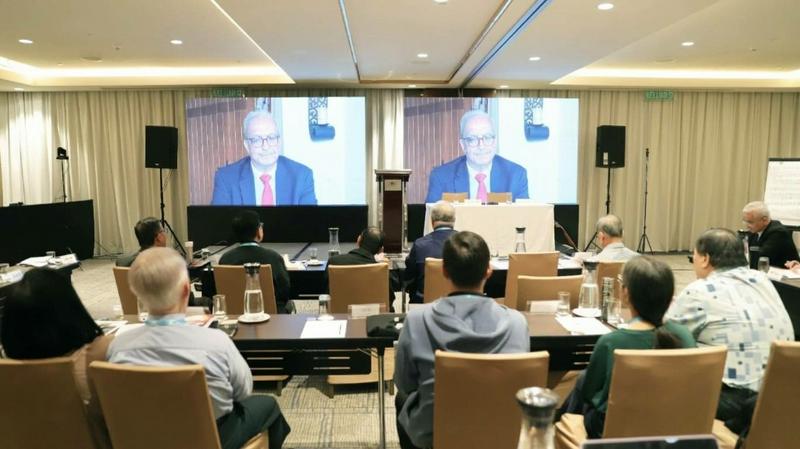
Addressing participants by video, WEA Secretary General Rev. Botrus Mansour encouraged Chinese churches to carry forward the faith and spiritual heritage of missionary pioneers while deepening unity and cooperation within the global church. Looking toward 2033, marking 2,000 years since the outpouring of the Holy Spirit at Pentecost, he urged churches to work together toward the shared vision of ensuring that everyone has an opportunity to hear the gospel.
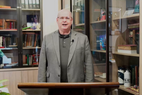
Dr. Staci Thomas, CEO of Haggai International, encouraged pastors to revisit God's original call on their lives, reaffirm their spiritual identity and mission, and continue serving faithfully amid change.
Building Partnerships Across Borders and Generations
Rev. Ezekiel Tan, WCA general secretary, called on Chinese churches worldwide to strengthen ties across geographical, organizational, and denominational boundaries, moving from developing their ministries separately toward sharing responsibility for a common mission.
Tan, who also serves on the WEA International Council and as its special envoy to China and Chinese territories, outlined a vision of being "Bible-based, rooted in Chinese Christian communities, and serving the world." He emphasized leadership development, resource coordination, knowledge sharing, and cooperation across regions as practical ways to build closer partnerships for global mission.
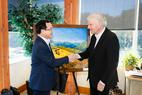
During an exchange at the WCA's Johor Bahru office, Tan also shared findings and observations from his research. He said that although Chinese churches had grown significantly in modern times, there remained room to broaden their collective influence. Drawing on the ministry experiences of missionary pioneers, he encouraged churches to strengthen connections across regions and pursue more strategic, collaborative approaches to gospel ministry.
Cooperation across generations was another focus. Rev. Paulus Wong, chairman of the Chinese Commission of the National Evangelical Christian Fellowship Malaysia, spoke about moving from "passing the baton" to "running alongside" younger leaders.
Wong emphasized that passing on a spiritual legacy involves more than transferring ministries and responsibilities. It also requires accompanying the next generation in life and ministry. He encouraged senior pastors to build relationships of mutual trust and support with younger leaders.
Historical reflection also informed discussions about the church's future. Rev. Dr. Lee Mee Onn, a research scholar at Malaysia Bible Seminary, reviewed Morrison's work following his arrival in China in 1807.
Despite linguistic, political, and religious challenges, Morrison remained committed to Bible translation, publishing, education, and the training of local leaders. Lee highlighted the lasting influence of this work on Chinese Bible translation, the spread of the gospel among Chinese communities, and the development of Chinese churches.
Responding to Technological Change
Rev. Dr. Caleb Soo, synod moderator of the Presbyterian Church in Singapore and co-chair of the Singapore Chinese Christianity Alliance, addressed the challenges of remaining faithful to the gospel in a period of profound change.
Soo noted that technology was reshaping how people live and learn, as well as their understanding of identity, relationships, and values. These developments, he said, present new challenges for pastoral care and the transmission of faith.
He emphasized that technology cannot replace a genuine relationship with God. Calling on churches to deepen their roots, pursue renewal from within, and send believers out, he urged them to respond through sound theological foundations, lives shaped by discipleship, and gospel witness.
Dr. Andrew Loke, associate professor in the Department of Religion and Philosophy at Hong Kong Baptist University and a visiting scholar at Harvard University, focused on the growing role of artificial intelligence in how young people encounter religion.
As more young people turn to AI for information about faith, Loke said, Christian scholars and believers need to give greater attention to apologetics and help the younger generation establish firm foundations for their beliefs.
Participants also discussed AI, digital media, and new approaches to pastoral ministry, exploring how emerging technologies could support theological education, leadership training, and cross-cultural mission while remaining faithful to Scripture.
Global Summit Planned for 2027
The WCA plans to hold a Global Chinese Pastors and Leaders Summit in Johor Bahru and Malacca, Malaysia, September 7–10, 2027, marking the 220th anniversary of Morrison's arrival in China.
The summit will focus on leadership development, theological education, resource sharing, and cross-regional mission partnerships as churches look toward the global mission vision for 2033. Further program details will be announced later.
The WCA promotes unity and cooperation among Chinese churches worldwide through partnerships across regions, organizations, and generations.